Every Friday I walk a few blocks from my house to get soup.
The soup is good. That's not why I go. The building the soup shop lives in was my grandfather's first storefront — the first roof his business ever had that wasn't the basement of his own house, where it started when he was young. So on Fridays I stand in line on a floor he used to sweep, in a room where he used to fix things, and I eat my soup, and nobody in there knows a thing about it.
I love that. Buildings keep secrets like this all over the city. This is a story about the biggest one my family got to be part of — the corner of 1st and National, where he moved the business when it outgrew that first little room, and where it stayed for the rest of his life.
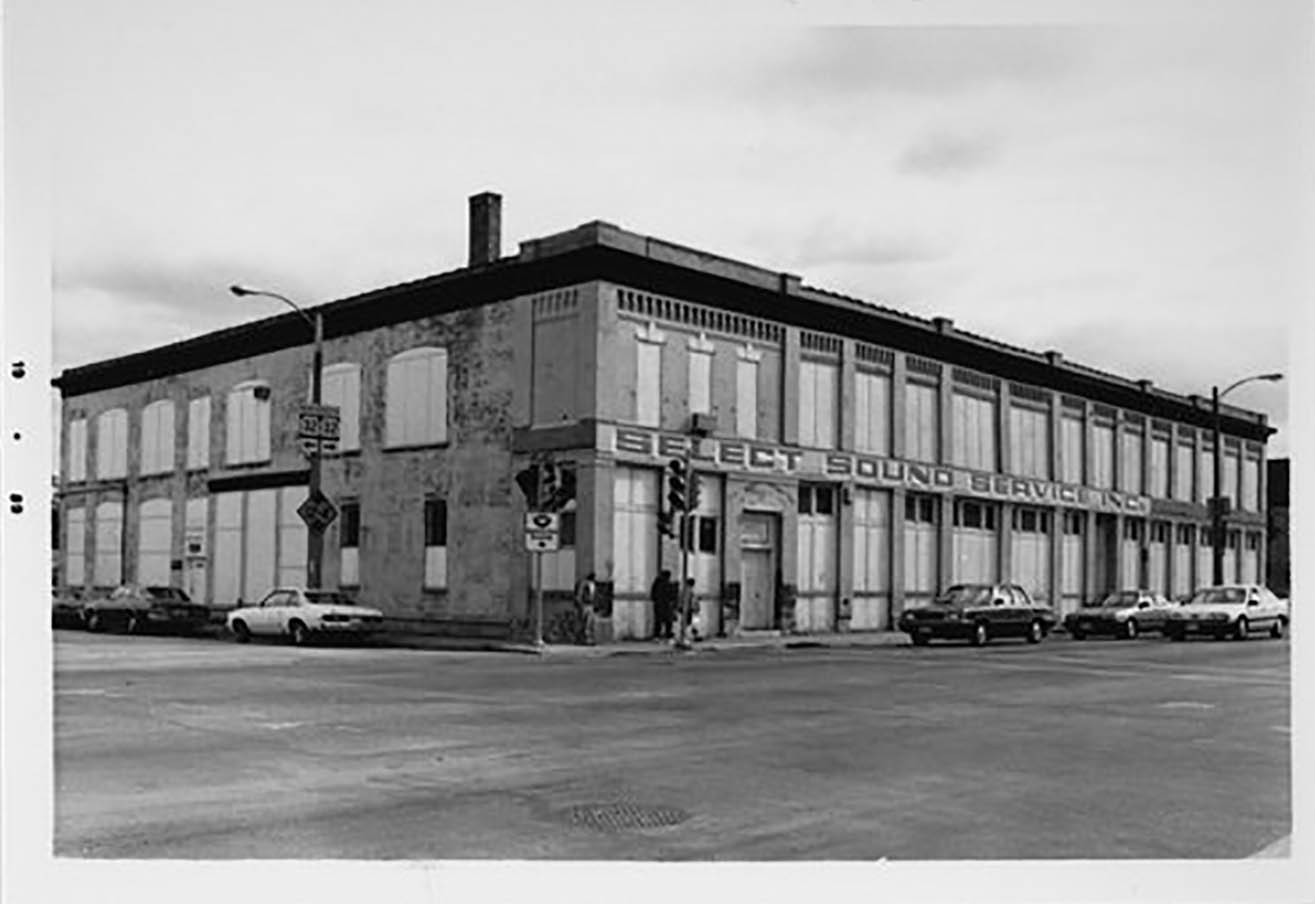
The family that was here first
If you walk past the building today you mostly see steel cladding — a mask, put on decades ago, hiding brick that's been standing there since the 1800s. You have to walk around back to see what it really is. That feels right, somehow. The building has never been in a hurry to explain itself.
The corner belonged to the Meisenheimer family for generations. Philip Meisenheimer came over from Germany as a child and became a firefighter — an engineer with Engine Company No. 3, the kind of man who, the story goes, rode his engine to Chicago in 1871 to help fight the Great Fire. He died on duty, one of the oldest members of the department, and when his funeral procession passed the fire houses of the city, they tolled their bells for him. The funeral was held at the family home — this corner. They lived where they worked. That part matters to me more every year.
His son Edward got his first taste of the trade as a newspaper carrier — the "smell of ink," the old accounts say — and grew up to run a printing company right there, five presses strong, praised in an 1893 book about the businesses of Milwaukee. A cousin ran a real estate office out of the same address. When they needed more room they didn't move; they added on, once in 1905 with a section built of heavy iron like a railroad trestle. It's still in there, holding the place up.
And then there's Gilles, Edward's son, who wanted to fly so badly that when America couldn't give him a cockpit, he went to Canada and trained pilots for the war. He flew himself home in 1919 and landed at Lake Park. At twenty-six he was president of an aeroplane company. There's a photograph of him standing with General Billy Mitchell at the Milwaukee Air Port in 1922. And when the airport moved away in 1926, the most prominent aviator in Milwaukee did something I think about a lot: he came home and ran the family print shop.
Even the flying ace ends up back at the counter.
The man who gave me my first job
In 1974 the printing family's corner passed to a new kind of maker: Bob Paquette, my grandfather, who moved his shop — Select Sound — into the building. His path there started in the fifth grade, fixing the neighbors' radios. It ran through the Army Air Corps, through that little storefront on Vliet Street where the soup is now, and it never once left the workbench.
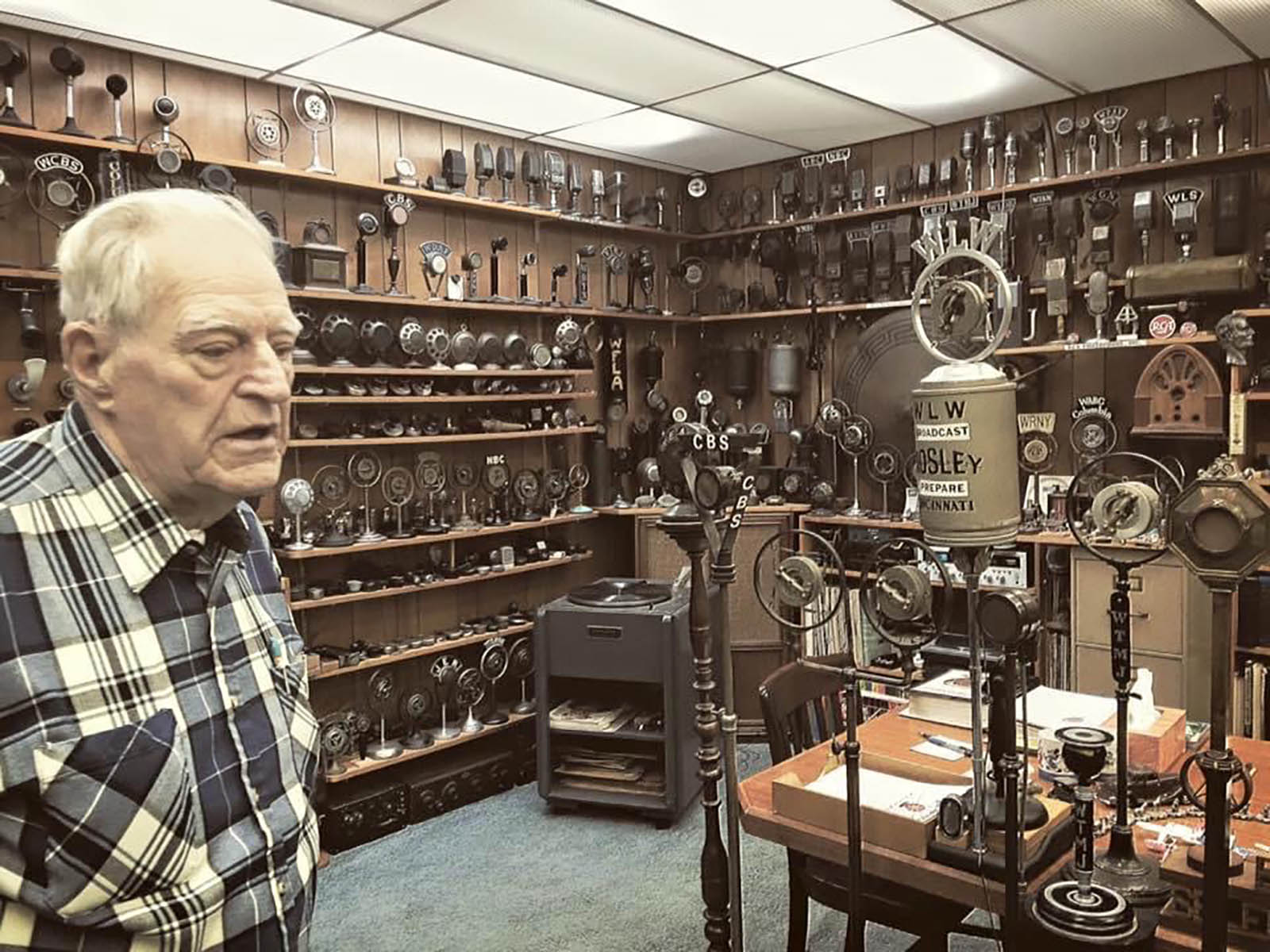
Select Sound did everything — telephone systems, sound systems, installations, repairs. But the thing people came from all over the world to see was upstairs: his microphone collection, hundreds of them, displayed as a museum. He wrote the book on it — literally, "The History and Evolution of the Microphone." Filmmakers borrowed his mics so the movies would get the period right. He wired the whole building for sound, floor to floor, and when the man who owns the building now tested that system — fifty years after my grandfather installed it — it still worked.
Build things properly and they outlive you. He never said that to me in words. He didn't have to. It was in the walls.
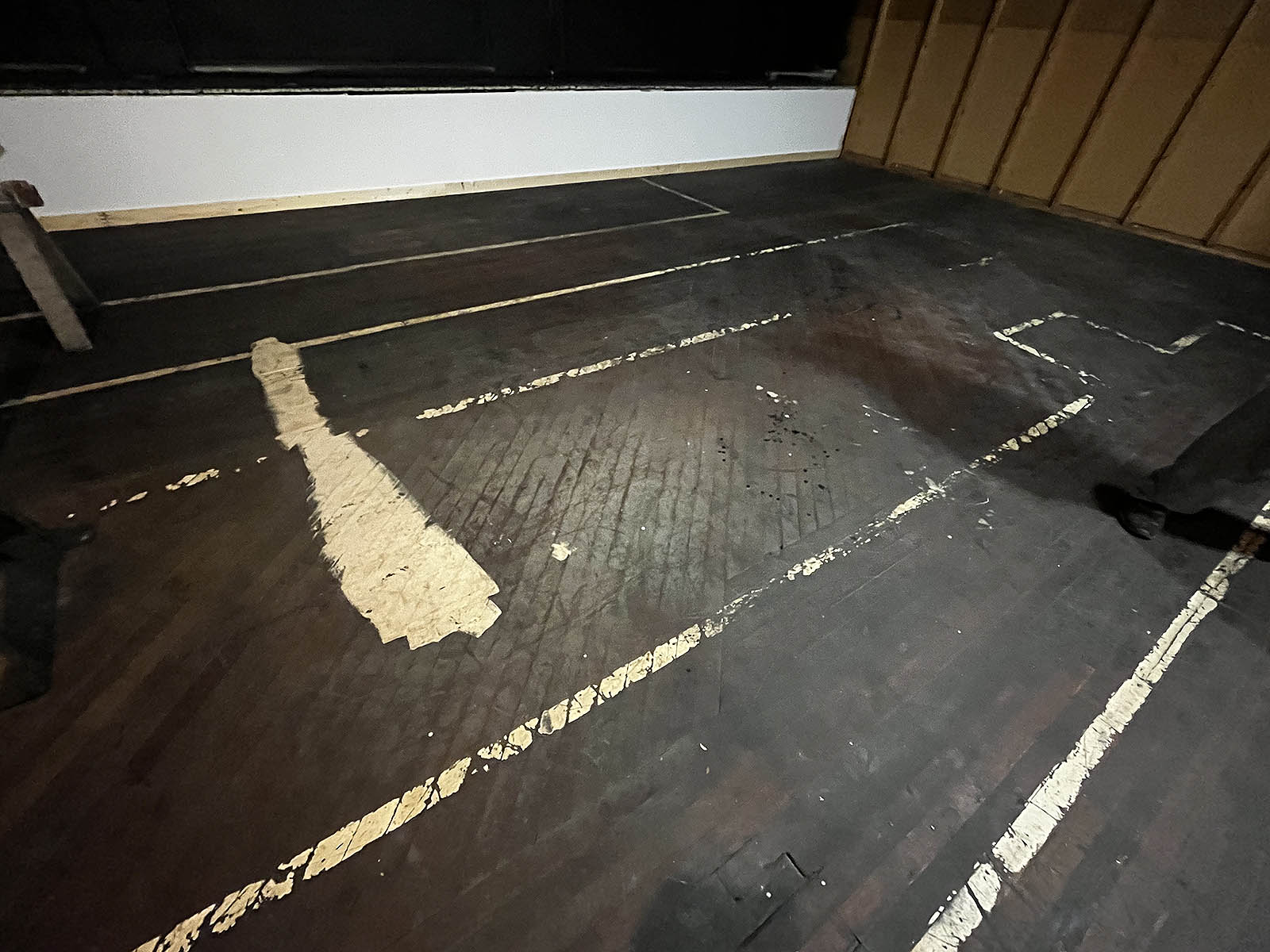
The shop was a gathering place — half the musicians and sound engineers in the city seemed to work there at one time or another. And somewhere in those years, a teenager got handed a broom and his first job. That was me. My grandfather gave me my first work, sweeping the floors of that building — floors that still have painted lines on them from the printing days, marking the walkways around machines that were gone before I was born. I swept along lines painted by people I never met, for equipment that no longer existed, and I didn't think anything of it at the time.
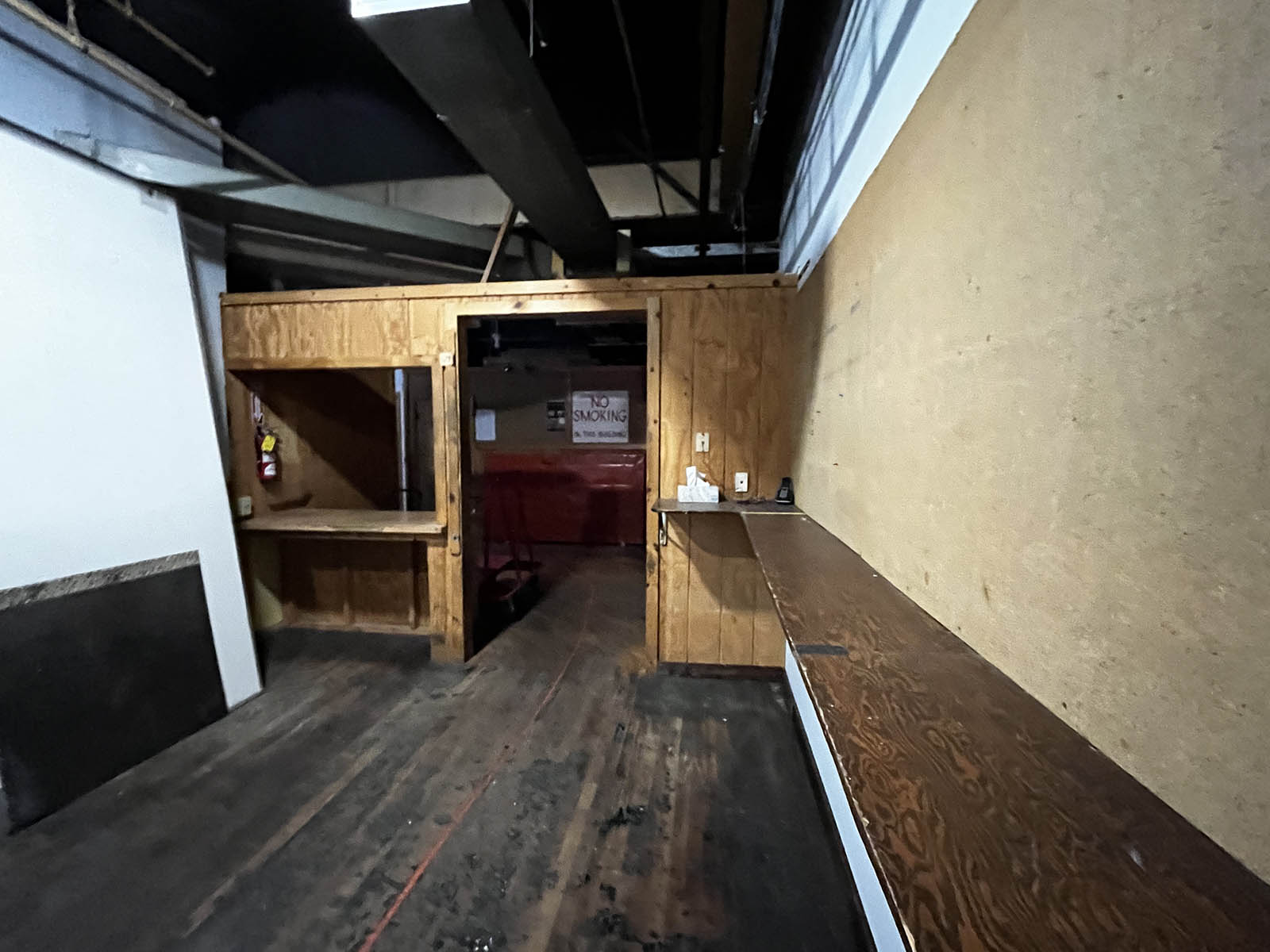
The counter
The part of the shop I think about most now is the plainest part: the counter. A wooden service window, a long worn top, the place where the public met the workshop. Somebody walks in with a problem or a need; the person behind the counter rents them the right piece of equipment, or fixes the thing they brought in, and writes it down on a card. That arrangement is about as old as commerce and about as honest as it gets.
I work at a counter like that now. Mine doesn't have a wooden window — it's software; I tinker with the technological tools of my own era, take them apart, make them do things they couldn't do before, and rent them out to people who need them. When something breaks, they tell me, and I fix it. I live a few blocks from where his first shop stood, and most days I'm just a guy who's happy in his workshop, trying to do the best work I can, the same way he did. I don't claim to be him. I'm claiming the habit — the one that was in the building before either of us: make things carefully, stand behind them, and let the counter be honest.
The building goes back to sound
After my grandfather died, the building sat empty for a while. Then a musician bought it — a producer and recording engineer — and he's filling it with rehearsal rooms and studios and, someday, a stage. The building that printed the city's paper and then wired the city's sound is going back to sound again, on its own, the way a river finds its old bed. Down in the basement, the motor that once turned the printing presses is still there, next to the old breakers. Nobody threw it away. In that building, nobody ever throws the good stuff away.
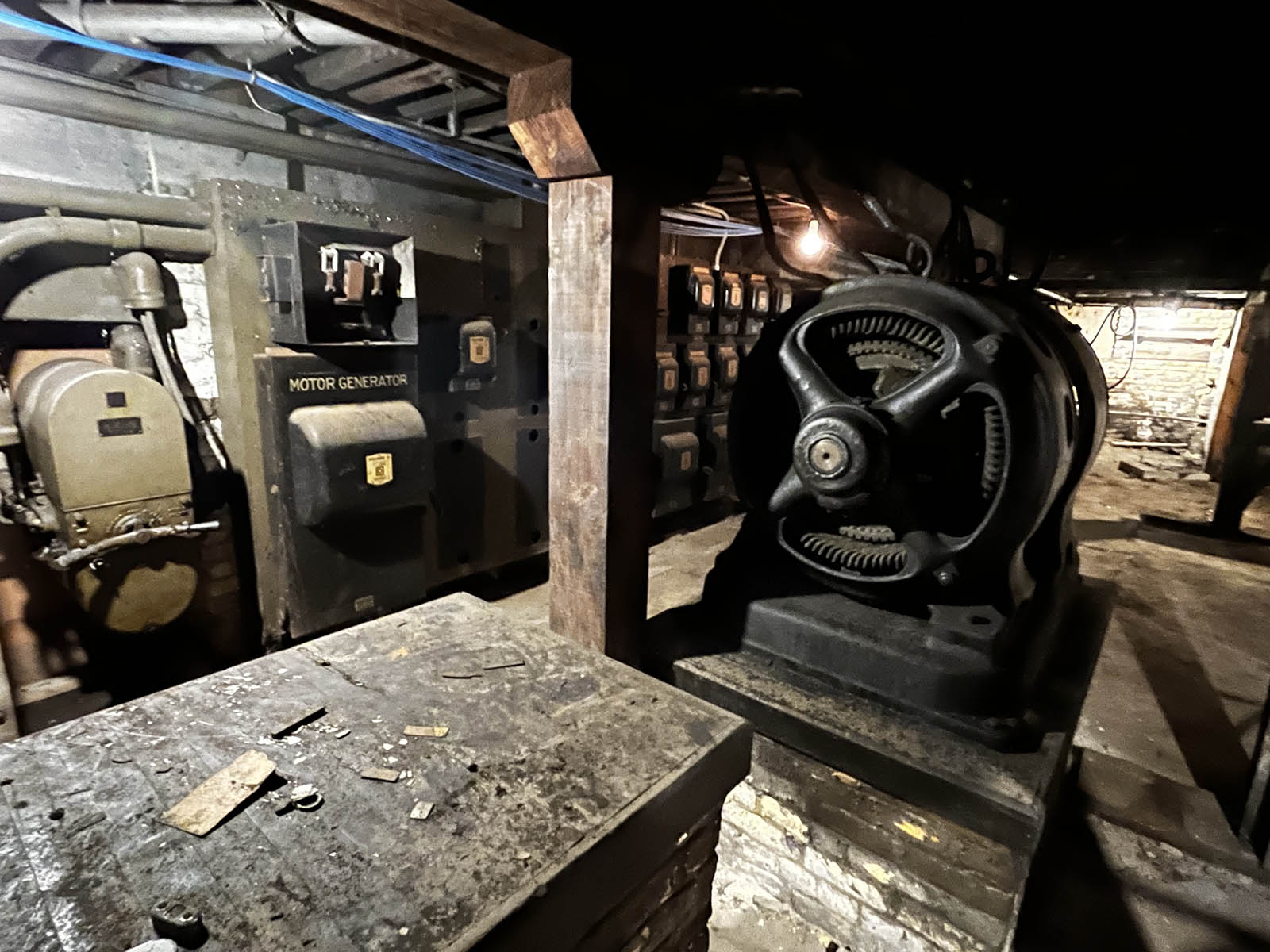
The writer who documented all of this ended his piece with a wish — that someday the steel cladding comes off, so everyone can see the building's real face again. I find myself wishing a version of that for the whole story: that the work that happened inside those walls — four families' worth of making, fixing, renting, and standing behind things — stays visible to somebody. This page is my small attempt.
Sometimes, sitting at my own workstation, tinkering with some new technology to learn how it works and what we can do with it, I think of myself as a kid at my grandpa's workbench — the days he'd let me sit up there with him while he showed me how to take a microphone apart and resolder the connections to keep it running. Showing me what attention to detail, patience, and persistence can do for a thing . . . and for the people it touches.
Friday's coming. I'll be in the soup line, standing in the first room the business ever had, thinking about the corner where it grew up.
A shop stays a shop. You just have to keep one open.
Sources and thanks. The history in this piece draws on the reporting of Bobby Tanzilo, “Urban Spelunking: Former Meisenheimer Printing & Select Sound building,” OnMilwaukee, May 31, 2022 — with gratitude for documenting the building so carefully. Photographs © OnMilwaukee and credited photographers (Wisconsin Historical Society; Adam Levin).